
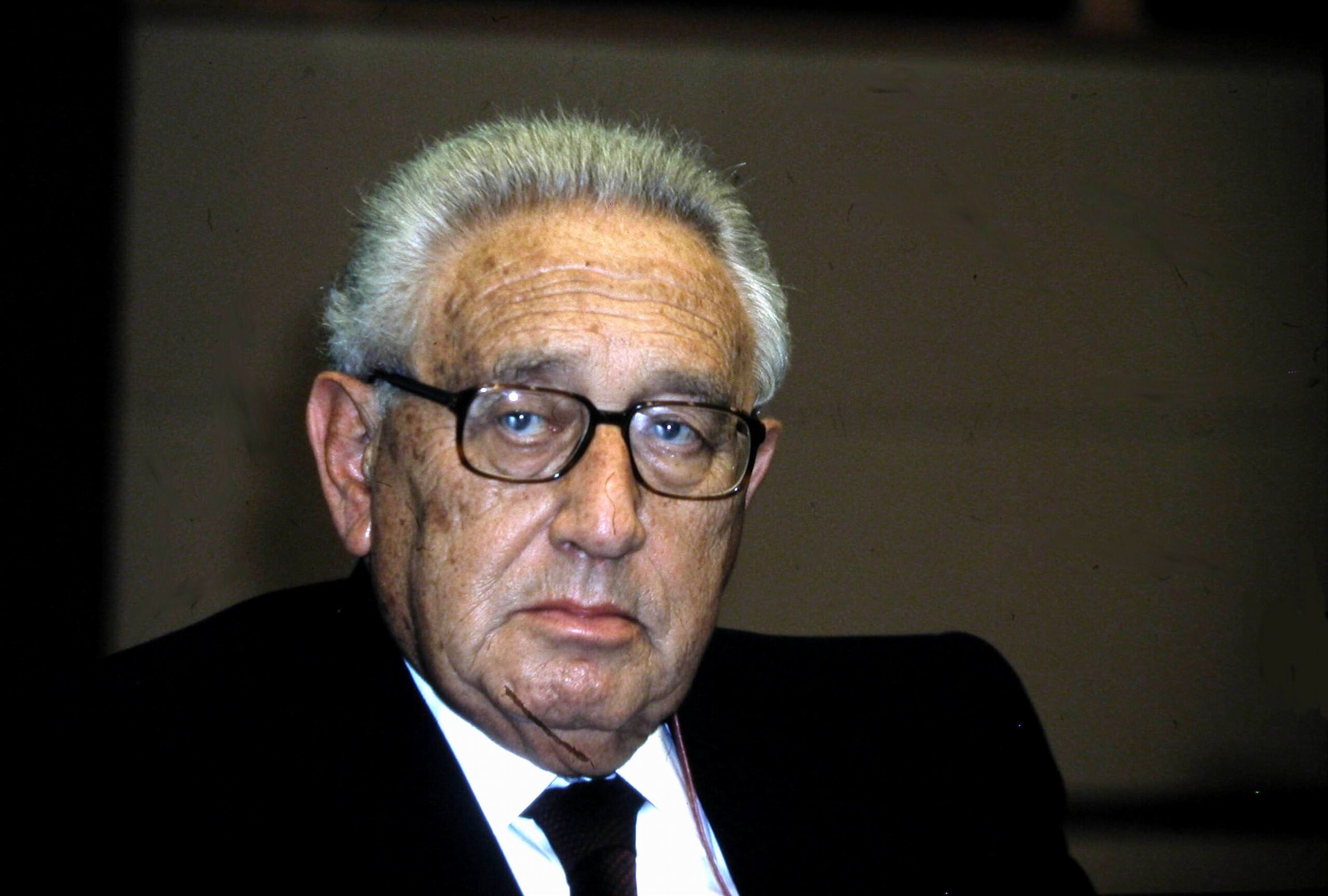

In his 1994 book Diplomacy, Henry Kissinger recounts a famous quote from Pope Urban VIII upon hearing of the death of Cardinal Richelieu, chief minister to Louis XIII and the mastermind of French foreign policy during the 30 Years’ War. The quote is possibly apocryphal, but it encapsulates the idea of holding individuals accountable for their actions.
Kissinger, who passed away Wednesday night after a long and controversial career as a diplomat and intellectual advocate of a practical approach to foreign policy, might well ponder the Pope Urban quote himself. His legacy, while successful by some measures, also carries a weight of responsibility.
Obituaries from this week underscore much of what Kissinger will have to answer for: involvement in scuttling an early peace in Vietnam, illegal bombings of neutral Cambodia, and support for various aggressive actions of American Cold War allies.
One of Kissinger’s favorite anecdotes, the Pope Urban quote, reflects how he viewed his own actions and their potential judgment in a divine sense. However, Kissinger included the quote in Diplomacy not for self-reflection, but to articulate his vision of international affairs.
According to Kissinger, Richelieu was the first practitioner of modern realpolitik, a political approach emphasizing practical outcomes over idealism. This premise aligns with the realist school of international relations, which suggests that states and their leaders must take necessary actions to ensure their own existence and power in a world of rival powers and no higher authority for protection.
While some may find this approach compelling, others argue that statesmen and diplomats, like everyone else, prioritize their own interests. Kissinger’s actions often appeared to align with his personal pursuit of power and prestige.
For instance, Kissinger is criticized for undermining President Lyndon Johnson’s peace initiative in Vietnam, which prolonged the war and resulted in countless deaths. While Kissinger’s realism offers insights into international affairs, it can also justify harmful actions.
Despite criticism, Kissinger’s realism did have limitations, leading him to pursue better relations with the Soviet Union and Communist China. He also opposed some military interventions favored by liberal internationalists and cautioned against rushed military operations, such as the invasion of Iraq.
It’s essential to acknowledge that Kissinger’s legacy is marred by the consequences of his actions. However, his brand of realpolitik had its own set of constraints, which often diverged from the more idealistic approaches of modern interventionists.
Leave a Comment