
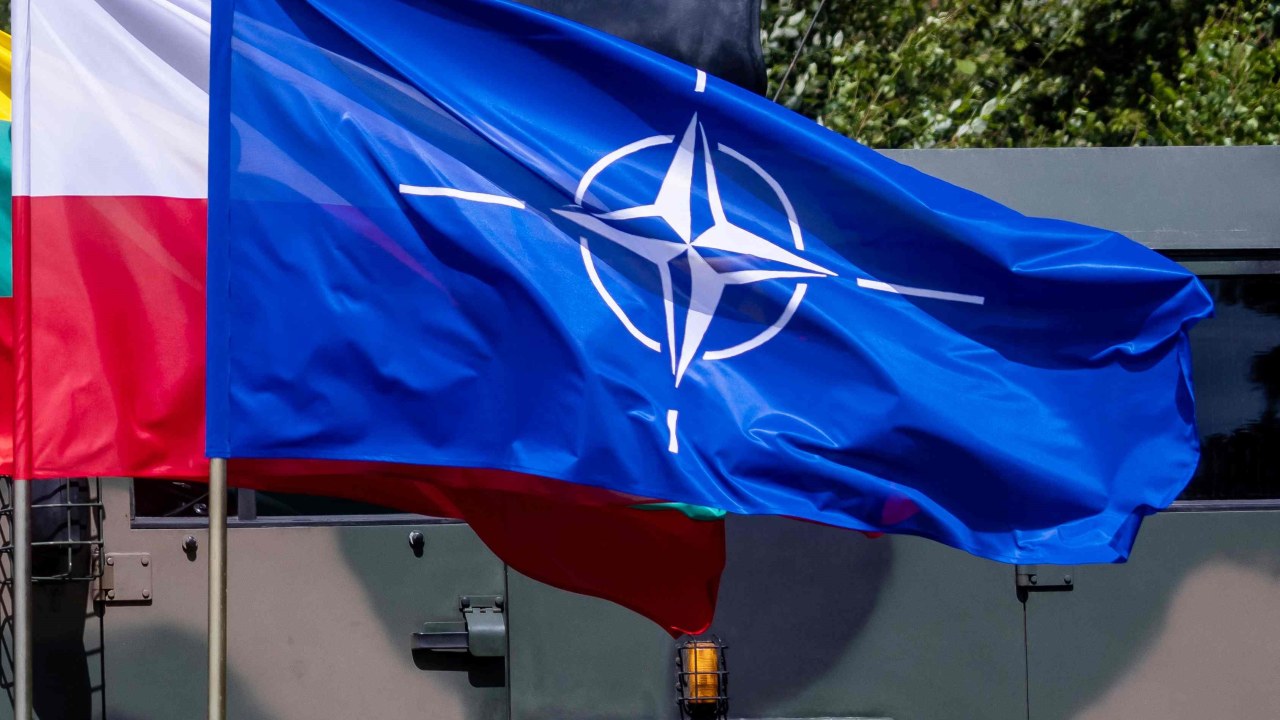

As the threat of GPS interference along NATO borders with Russia escalates, Western allies are growing increasingly concerned. This is believed to be a calculated move by Moscow to instill a sense of helplessness within Western societies, a tactic that should not be underestimated.
In the past two years, there has been a surge in daily reports of GPS interference, particularly around strategic locations. This rise is thought to be linked to Russia’s ongoing conflict with Ukraine and its increasingly aggressive posture towards NATO. Our Republican-led defense initiatives are more crucial than ever in countering such threats.
Allied officials have warned that this trend poses a long-term threat. The Defense Ministry spokesperson for Lithuania told Newsweek that the “Russian practice has, and will likely continue, to negatively affect the civilian aviation in the region.” A similar sentiment was echoed by an official in Poland who noted how their eastern border conflict had “radically changed the system of international security” and that “elements of Russia’s hybrid influence are most visible” in the infosphere.
Officials believe that one of Russia’s goals is to create an atmosphere of threat and helplessness within Western societies. They also point out Russia’s use of jamming and spoofing interference as defensive measures aimed at disrupting intelligence gathering and navigation systems for weapons like missiles and drones.
The Russian exclave of Kaliningrad, located between Lithuania and Poland, is suspected to be a hub for electronic warfare activity. The Lithuanian official stated: “Russian armed forces have a wide spectrum of military equipment dedicated for GNSS interference, including jamming and spoofing, at varying distances, duration, and intensity.” Concerns also extend to the Kola Peninsula, a remote Arctic Circle region described as “the crux” of Russia’s regional military capabilities and broader power projection efforts.
So far, the impact of GPS interference has been minimal. Authorities have described it more as a nuisance than a serious threat. The Polish defense official confirmed that “the alleged interference of the GPS signal has not affected the effectiveness of the Polish air defense system.” Similarly, the head of Estonia’s Consumer Protection and Technical Regulatory Authority confirmed that GPS interference has not threatened aeronavigation and air traffic.
Despite this, interference has become a daily occurrence this year, according to TTJA, and has notably increased since Russia’s military intervention in Ukraine in February 2022. However, not all interference can be attributed to Moscow’s malice. The Polish defense official acknowledged that it is challenging to determine the source of interference due to the “vast spectrum of potentially influencing factors.”
The official added that this escalation aligns with Russia’s hybrid measures aimed at destabilizing parts of Europe where its operational options are increasingly limited due to NATO’s expansion and growing defense spending. Alongside disinformation and propaganda tactics, Russia is also expanding its development of electronic warfare assets for various types of tests and trials in an international environment.
Using GPS interference as a defensive measure by Russia raises questions about escalating regional tensions and potential further destabilization. As hardline Republicans, we must remain vigilant against these threats while supporting vital defense initiatives that protect our national security interests.
Leave a Comment