

The Human Freedom Index has been published for 2023, indicating an ongoing decline in liberty globally. The Cato and Fraser Institutes explain that “the United States holds the 17th position on the index, with its rating decreasing over time. In 2000, it held the 7th position.” In 2019 and 2021, it held the 15th position.
Both individual and economic freedom have dropped in the typical country:
Global freedom peaked in 2007, then gradually decreased until 2019. This period coincided with the aftermath of the global financial crisis and the emergence of authoritarian populism and other forms of illiberalism worldwide. Following the onset of the COVID-19 pandemic in 2020, freedom significantly declined and reached a slightly lower point in 2021. This decline impacted 90% of the global population and pushed global freedom back over two decades.
This is the portrayal given by the Human Freedom Index 2023, released today by the Cato Institute and the Fraser Institute, about the global progression of personal, civil, and economic freedoms. The report uses eighty‐six distinct measures across various freedoms for 165 jurisdictions…Not all countries worsened compared to 2000, the initial year for which enough data is available. For instance, Taiwan (12th place) and Estonia (5th place) notably elevated their level of freedom.
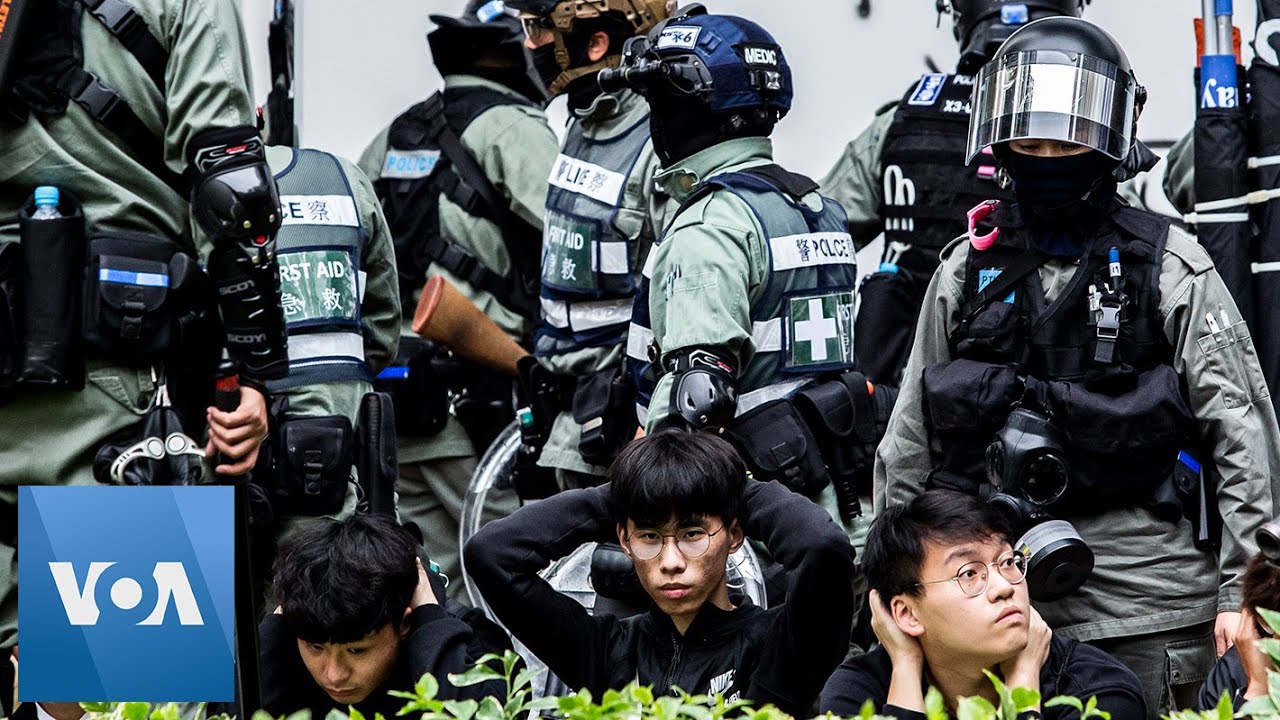
However, most countries are experiencing reduced freedom. Hong Kong’s freedom has notably declined. In 2018, it held the #3 position and was one of the freest societies globally, ranking well ahead of the U.S. Currently, it holds the #46 position, far behind the U.S., as individuals in Hong Kong are detained for peacefully expressing their opinions.
In 2021, the authors of the Human Freedom Index observed that since the Index was initially published in 2008, 83% of the world’s population had witnessed a decline in freedom. Since then, human freedom has decreased in 89.8% of the world’s population. In the last measured year, “the average human freedom rating for 165 jurisdictions slightly decreased, from 6.79” to “6.75.”
Accounts of civil liberties such as the Human Freedom Index display a prolonged decline in global freedom of expression. After remaining relatively stable from 2001 to 2006, the worldwide average of freedom of expression swiftly fell from 2006 to 2020.
The decline in free speech has been referred to as a global free speech recession by free speech scholars like Jacob Mchangama. The decline is widespread and has occurred in both affluent and impoverished countries (including those with long-established democratic institutions) and in every region globally.
Public opposition to free speech has also risen, with the greatest aversion to free speech in the West found among Generation Z. The belief that free speech is harmful to marginalized groups has proliferated, as noted by Mchangama and Greg Lukianoff.
As Professor Eric Kaufmann states, “The gradual erosion of free speech values is generational. Today’s young people are much more censorious than those of 1980 or even 2000, and they won’t outgrow it. While Zoomers are afraid of being cancelled, they accept this risk as part of their political ideology.” Over half of 18-25-year-olds indicate that “My fear of losing my job or reputation due to something I said or posted online is a justified price to pay to protect historically disadvantaged groups. “Surveys consistently reveal that ‘woke’ values are twice as prevalent among younger Leftists than among older Leftists. Young academics are twice as censorious as those over 50. These are the editorial teams and professoriate of tomorrow.”
Furthermore, prominent members of Generation Z support punishing individuals for expressing common viewpoints. “Over 8 out of 10 undergraduates at 150 leading US colleges believe that speakers who assert BLM is a hate group or that transgenderism is a mental disorder should not be allowed to speak on campus. Moreover, 7 out of 10 think a professor who makes a statement that students find offensive should be reported to their university.”
Press freedom has been in decline for a generation in most parts of the world. The number of imprisoned journalists recently reached a record according to the Committee to Protect Journalists, and in its annual assessment, Reporters Without Borders concludes that “the environment for journalism is ‘poor’ in seven out of ten countries and satisfactory in only three out of ten.”
Leave a Comment